Unlock Your Brain's Potential: Neuroscience Explained
- Brain Education Hub

- Jul 31, 2025
- 5 min read
Have you ever wondered how your brain works? What makes it tick? The human brain is a complex organ, capable of incredible feats. From solving problems to creating art, our brains are the command center for everything we do. Understanding how our brains function can help us unlock our full potential. In this post, we will explore the fascinating world of neuroscience and how it can empower you to enhance your cognitive abilities.
Neuroscience is the study of the nervous system, particularly the brain. It combines biology, psychology, and other fields to understand how our brains work. This knowledge can help us improve our mental performance, learn new skills, and even boost our creativity.
Let’s dive into the key concepts of neuroscience and discover how you can harness this knowledge to unlock your brain's potential.
The Structure of the Brain
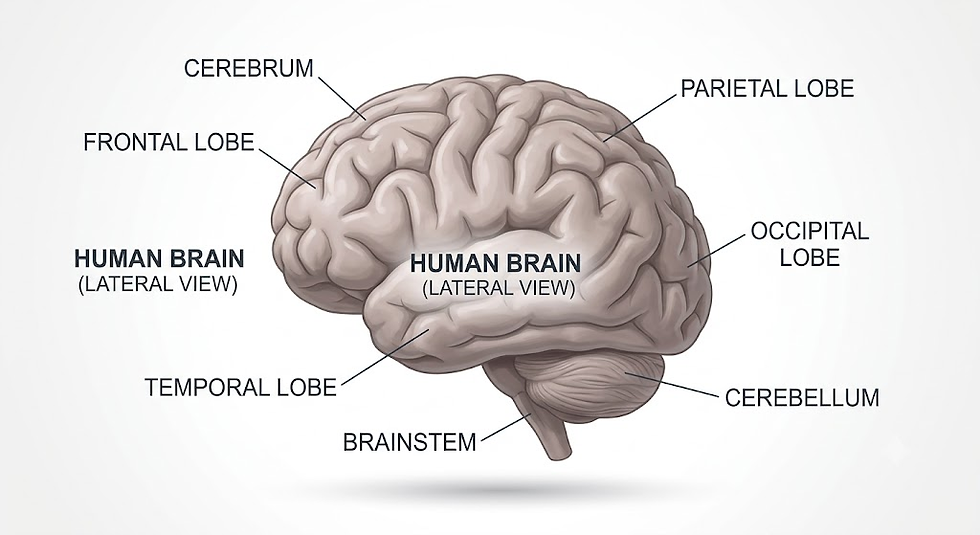
The brain is made up of several parts, each with its own function. Here are the main components:
Cerebrum: This is the largest part of the brain. It is responsible for higher brain functions, such as thought, action, and emotion. The cerebrum is divided into two hemispheres, each controlling different functions.
Cerebellum: Located at the back of the brain, the cerebellum helps with coordination and balance. It plays a crucial role in motor control.
Brainstem: This part connects the brain to the spinal cord. It controls basic life functions, such as breathing and heart rate.
Understanding these parts can help you appreciate how different activities engage various areas of your brain. For example, when you learn a new skill, you are primarily using your cerebrum.
Neuroplasticity: The Brain's Ability to Change
One of the most exciting discoveries in neuroscience is neuroplasticity. This term refers to the brain's ability to reorganize itself by forming new neural connections throughout life.
Neuroplasticity means that your brain is not fixed. It can change and adapt based on your experiences. For instance, when you learn something new, your brain creates new pathways. This is why practice is essential. The more you practice, the stronger these pathways become.
Here are some practical ways to harness neuroplasticity:
Learn a new language: This challenges your brain and helps create new connections.
Play a musical instrument: Music engages multiple areas of the brain, enhancing cognitive function.
Try new activities: Whether it’s painting, dancing, or cooking, new experiences stimulate your brain.
By actively engaging in these activities, you can enhance your brain's flexibility and improve your overall cognitive abilities.
The Role of Sleep in Brain Function
Sleep is vital for brain health. During sleep, your brain processes information and consolidates memories. Lack of sleep can impair cognitive function, making it harder to think clearly and learn new things.
Here are some tips for improving your sleep:
Establish a routine: Go to bed and wake up at the same time every day.
Create a restful environment: Keep your bedroom dark, quiet, and cool.
Limit screen time before bed: The blue light from screens can interfere with your sleep cycle.
By prioritizing sleep, you can enhance your brain's ability to function at its best.
Nutrition and Brain Health
What you eat can significantly impact your brain function. A balanced diet rich in nutrients supports cognitive health. Here are some brain-boosting foods:
Fatty fish: Rich in omega-3 fatty acids, which are essential for brain health.
Berries: Packed with antioxidants that may improve communication between brain cells.
Leafy greens: High in vitamins and minerals that support overall brain function.
Nuts and seeds: Provide healthy fats and antioxidants that protect the brain.
Incorporating these foods into your diet can help improve your cognitive abilities and overall brain health.
The Power of Mindfulness and Meditation
Mindfulness and meditation are powerful tools for enhancing brain function. These practices can reduce stress, improve focus, and increase emotional well-being.
Research shows that regular meditation can lead to changes in brain structure. For example, it can increase the thickness of the prefrontal cortex, which is responsible for decision-making and self-control.
Here are some simple ways to practice mindfulness:
Breathing exercises: Focus on your breath for a few minutes each day.
Body scan: Pay attention to different parts of your body, noticing any tension or discomfort.
Mindful walking: Take a walk while focusing on the sensations of your feet touching the ground.
By incorporating mindfulness into your daily routine, you can enhance your brain's ability to focus and process information.
The Impact of Physical Exercise on the Brain
Physical exercise is not just good for your body; it is also essential for your brain. Regular exercise increases blood flow to the brain, promoting the growth of new neurons. This can enhance memory and cognitive function.
Here are some types of exercise that are particularly beneficial for brain health:
Aerobic exercise: Activities like running, swimming, or cycling can boost brain function.
Strength training: Lifting weights can improve cognitive abilities and memory.
Yoga: Combines physical movement with mindfulness, benefiting both body and mind.
Aim for at least 150 minutes of moderate exercise each week to reap the brain-boosting benefits.
Social Connections and Brain Health
Social interactions play a crucial role in brain health. Engaging with others can stimulate your brain and improve cognitive function. Studies show that strong social connections can reduce the risk of cognitive decline as we age.
Here are some ways to strengthen your social connections:
Join a club or group: Find people who share your interests.
Volunteer: Helping others can create meaningful connections.
Stay in touch with friends and family: Regular communication can enhance your social network.
By nurturing your relationships, you can support your brain health and overall well-being.
The Importance of Lifelong Learning
Lifelong learning is essential for maintaining cognitive health. Continuously challenging your brain can help keep it sharp.
Here are some ways to embrace lifelong learning:
Take online courses: Many platforms offer free or low-cost courses on various subjects.
Read regularly: Books, articles, and blogs can expose you to new ideas and perspectives.
Attend workshops or seminars: These can provide hands-on learning experiences.
By committing to lifelong learning, you can keep your brain engaged and enhance your cognitive abilities.
Embracing Your Brain's Potential
Understanding how your brain works is the first step toward unlocking its potential. By incorporating practices that support brain health, you can enhance your cognitive abilities and improve your overall well-being.
Remember, your brain is not fixed. It can change and grow throughout your life. By prioritizing sleep, nutrition, exercise, mindfulness, social connections, and lifelong learning, you can create a powerful foundation for a healthy brain.

As you embark on this journey to unlock your brain's potential, remember that small changes can lead to significant improvements. Start today, and watch as your brain flourishes.
Your brain is a remarkable organ, capable of incredible things. Embrace the power of neuroscience and take charge of your cognitive health. The possibilities are endless, and your brain is ready to thrive.


Comments